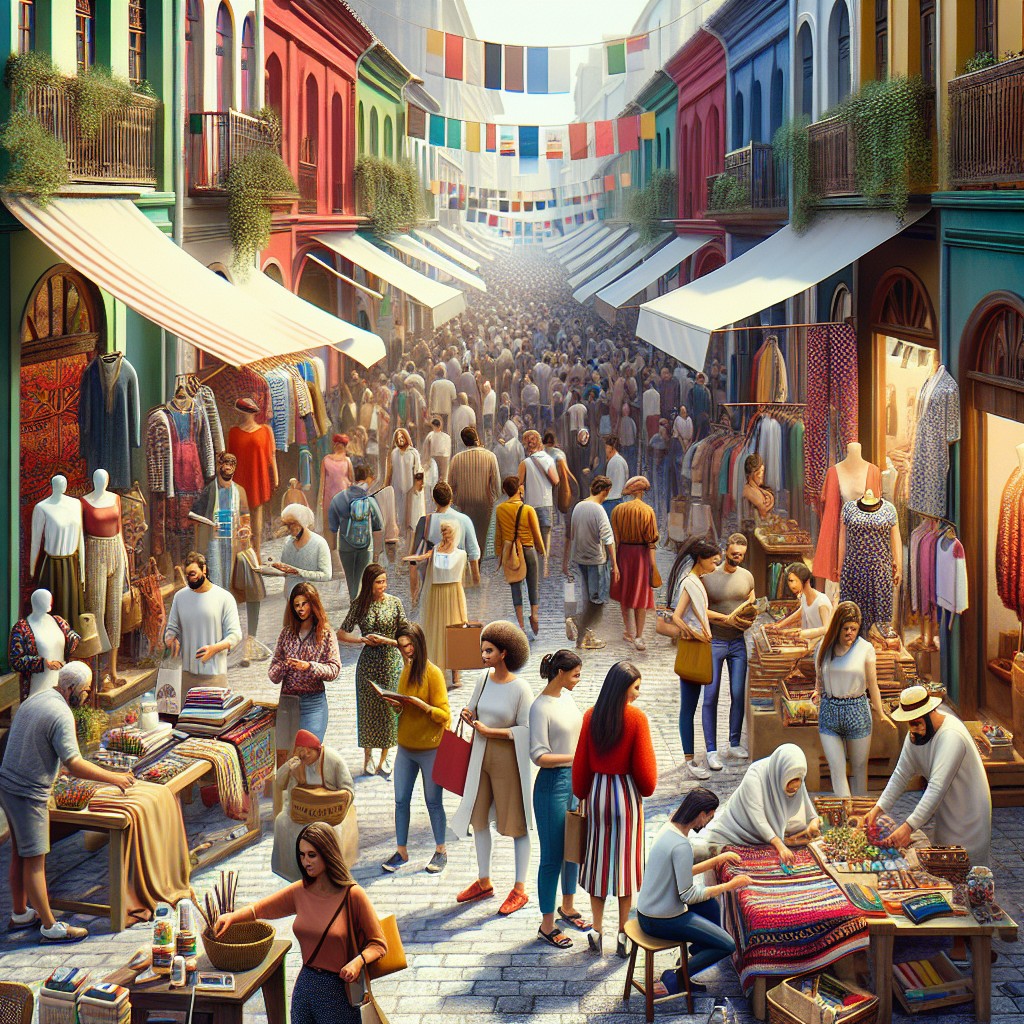
The growing awareness around environmental and social issues has brought sustainable fashion to the forefront of consumer priorities in Romania. As the country integrates more deeply into global markets, shoppers are confronted with a mixture of genuine efforts and misleading claims. Understanding how to distinguish real progress from greenwashing is essential for Romanian consumers who want to support ethical and eco-friendly apparel.
Current landscape of sustainable fashion in Romania
Romania has witnessed a notable rise in interest toward sustainable fashion over the past few years. Local brands are increasingly adopting eco-conscious production methods, using organic or recycled materials, and emphasizing transparency in their supply chains. However, the market is still developing, and many consumers lack clear information on how to evaluate these initiatives. International brands operating in Romania also contribute to the sustainable fashion environment by introducing global standards and certification systems.
Transparency and certifications as indicators of progress
One of the most reliable signs of genuine commitment to sustainable fashion is transparency. Brands that openly disclose information about their sourcing, manufacturing processes, and labor conditions offer consumers tangible evidence of their ethical practices. Certifications such as GOTS (Global Organic Textile Standard), Fair Trade, and OEKO-TEX serve as internationally recognized benchmarks. Romanian shoppers should look for these labels to verify claims, as they represent compliance with strict environmental and social criteria.
Material choice and production impact
The environmental footprint of clothing largely depends on the materials used and the production methods. Sustainable fashion brands prioritize natural fibers with low environmental impact, such as organic cotton, hemp, and linen, or recycled materials that reduce waste. Avoiding synthetic fibers derived from fossil fuels is another critical aspect. Romanian consumers can assess product descriptions and brand communications to learn about the materials and manufacturing practices involved before making purchases. This scrutiny helps ensure that their choices align with sustainability principles.
Durability and circular economy in fashion
Durability is a key factor distinguishing sustainable fashion from trend-based, disposable clothing. Brands promoting sustainable fashion in Romania are increasingly focusing on creating longer-lasting garments that reduce the need for frequent replacements. Additionally, concepts related to the circular economy—such as recycling, upcycling, and clothing resale—are gaining traction in the country. Consumers participating in clothing swaps or supporting second-hand markets contribute to extending the lifecycle of apparel and minimizing waste.
Challenges and opportunities for Romanian shoppers
Despite positive developments, Romanian shoppers face challenges including limited product availability, higher prices of sustainable options, and insufficient public awareness. Retailers and policymakers have a role in addressing these barriers by encouraging sustainable innovation, supporting local ethical brands, and promoting consumer education. For shoppers, being critical of marketing messages, prioritizing transparency, and valuing product quality over quantity are practical ways to support real progress in sustainable fashion.
Conclusion
As sustainable fashion gains momentum in Romania, consumers have more opportunities to influence the industry positively. Spotting real progress requires attention to transparency, certifications, material sourcing, and product longevity. While challenges remain, Romania’s fashion market shows signs of evolving toward more responsible practices. Continued consumer engagement and informed choices will be vital in shaping a truly sustainable fashion future in the region.
Frequently Asked Questions about sustainable fashion
What does sustainable fashion mean for Romanian consumers?
Sustainable fashion refers to clothing that is produced with minimal environmental impact and ethical labor practices. For Romanian consumers, this means supporting brands that prioritize eco-friendly materials, fair wages, and transparency in their supply chains.
How can I identify genuine sustainable fashion brands in Romania?
Look for certifications like GOTS, Fair Trade, or OEKO-TEX on labels. Additionally, brands that provide detailed information about their sourcing and manufacturing processes are more likely to represent true sustainable fashion.
Is sustainable fashion more expensive in the Romanian market?
Often, sustainable fashion comes at a higher price due to ethical production costs and quality materials. However, investing in durable and eco-friendly clothing can be more economical in the long term and reduces environmental impact.
Can buying second-hand contribute to sustainable fashion efforts in Romania?
Yes, purchasing second-hand clothing supports the circular economy by extending the life of garments and decreasing demand for new production, an important aspect of sustainable fashion in Romania.
What role do certifications play in sustainable fashion?
Certifications verify that clothing meets environmental and social standards. They help Romanian shoppers differentiate authentic sustainable fashion items from greenwashing claims by providing trustworthy, third-party validation.